Staff
BRIEF brings together students and early-career astronomers with experienced science and engineering volunteers who share a passion for astronomy.
Our volunteers play a central role in advancing BRIEF’s mission by sharing their knowledge, mentoring students, and helping create meaningful opportunities to engage with science and technology through astronomy.
BRIEF is deeply grateful for the time, expertise, and enthusiasm they contribute to our programs.
Operations
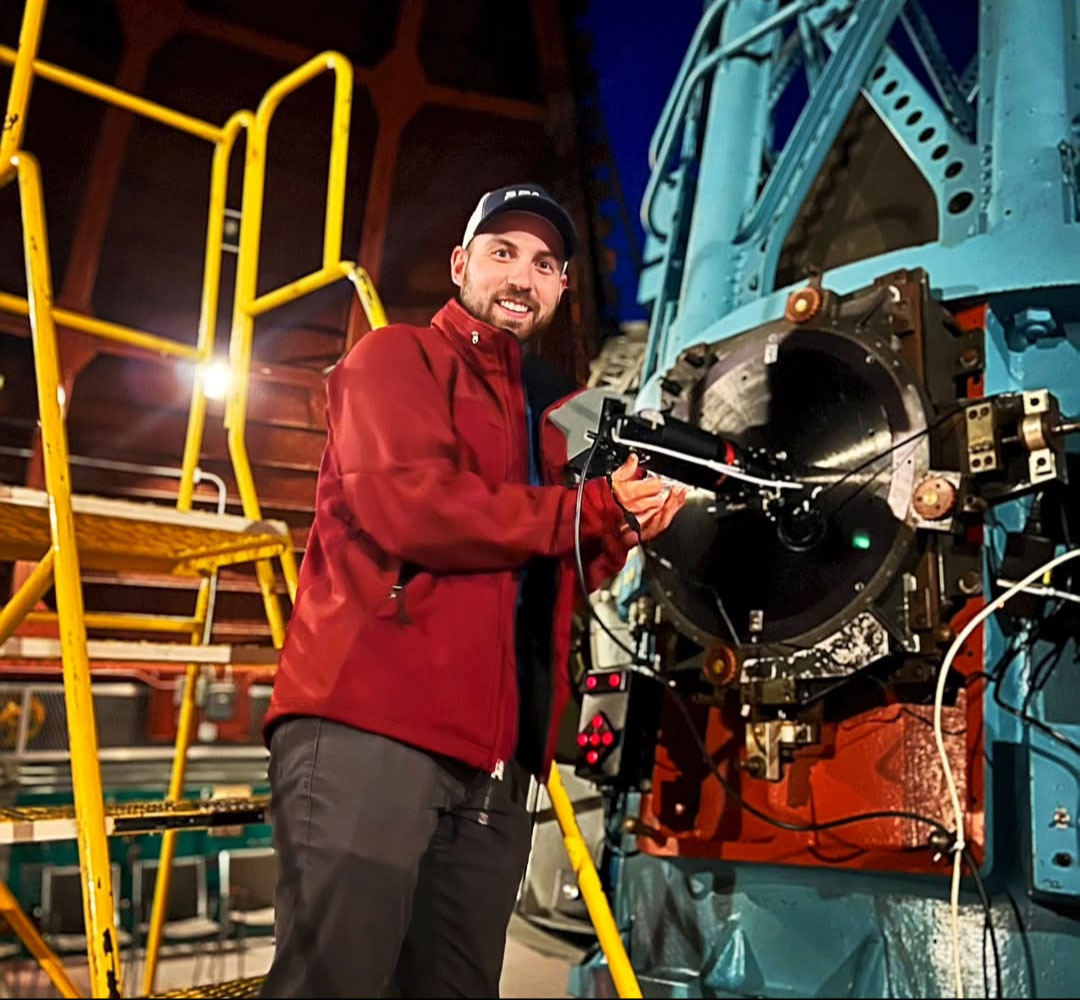
Joseph Burch
Observatory Director, Exoplorer Instructor
From exploring the depths of the ocean to peering into the vastness of space, Joseph Burch has always been an explorer, he just never knew he could follow in the footsteps of the heroes he grew up watching on tv.
Following his time at Boyce-Astro he has functioned as Project Manager for NASA’s NCAS program where he helped his team plan and execute a simulated mission to the Moon and Mars. While pursuing a degree in Aerospace Engineering and Astrophysics, Joseph also landed a Marine Biology internship where he was certified as a Scientific Diver. This ultimately led to a job as a Lab Manager at SDSU where he worked in conjunction with NASA’s ABoVE Project and the National Oceanic and Atmospheric Administration supporting eddy covariance systems in the remote arctic tundra including the installation and repair of various data loggers, net radiometers, anemometers, and greenhouse gas analyzers for measuring relative gas fluxes.
“The opportunities that Boyce-Astro granted were instrumental to my journey as both an aspiring scientist and engineer. They not only gave me hands-on experience with real astronomy but also taught me the rigors of writing a scientific paper with the encouragement to see it through to publication.”
Joseph is BRIEF’s Observatory Director for both BARO and BARON where he has automated both observatories for students to schedule observations. He is also Lead Instructor in the Boyce-Astro Exoplorer™ course where he helps teach and work with NASA’s Exoplanet Watch Program.
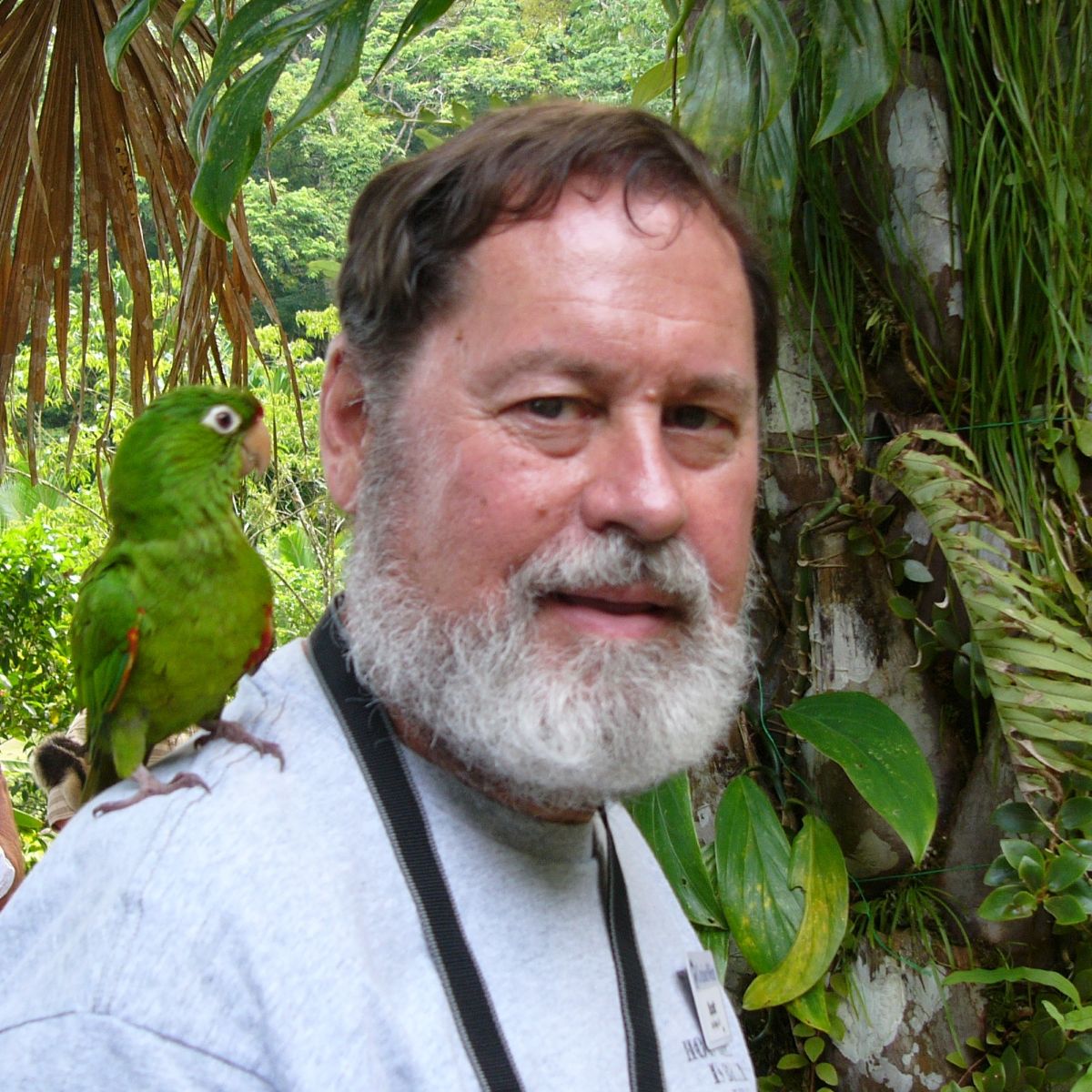
Scott Dixon
Chief Scientist
Dr Dixons professional career was in the aerospace industry. His work involved the development of Electro Optical sensor for spacecraft. One notable project was helping define the concept of the Next Generation Space Telescope (NGST), which later became the James Webb Space Telescope (JWST). His first experience in astronomy was when a government customer tasked his group to track satellites from the ground with a new infrared camera using amateur astronomy equipment.
He has been an amateur astronomer since the late 90s. He constructed a roll off roof observatory in his back yard and used it to for astro imaging with narrow band filters in a light polluted sky. He is a past director of the San Diego Astronomy Association (SDAA). He helped construct the Terry Arnold Remote Observatory (TARO) at the SDAA observing site.
Recently he has been involved with BRIEF in photometry and astrometry projects to contribute to science and educate motivated students. He is a qualified TESS SG1 observer of exoplanets. He has helped develop the BARON telescope capability to image and measure double stars with the speckle technique for removing the blurring effect of earth’s atmosphere.
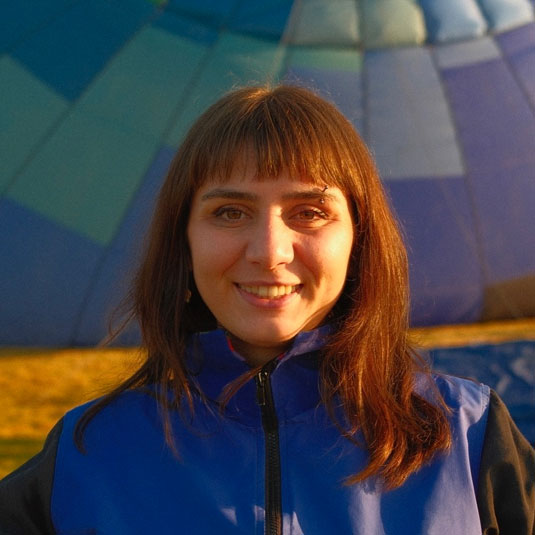
Andy Kovik
Speckling Binaries and BEAR Instructor
One of my most distinct childhood memories is the night the power went out across the entire town. My dad and I brought out our telescope for the first time and pointed it at Saturn. The equipment wasn’t the highest quality, but I remember staring at the shadows the rings cast on that small tan dot — and from that moment, I was forever mesmerized by the greater beyond of the universe.
I stumbled upon BRIEF as a student and stayed dedicated to it, becoming part of the wonderful community that so many inspired astronomers belong to. I earned my undergraduate degree in Cognitive Science from UC San Diego. Between studying the brain and practicing data science, I came to understand that the highest quality science happens through a multidisciplinary approach. I carry that belief into astronomy — and I’m convinced that students from any background have something meaningful to contribute to this community.
I began my journey in astronomy research in the 2022 DoubleSTARS™ seminar where I wrote my first paper. Since then, I have contributed to several observations and research papers. I presented a Python app that plots the movement of multi-star systems to the Astronomical Society of the Pacific in 2023. I have traveled far and wide for astronomy-related endeavors that include the Haleakalā Observatory in Maui, Hawaii, the Chiricahua Astronomy Complex in Pearce, Arizona, and of course the Mount Wilson Observatory in Pasadena, California. Now, I am leading a research team that is testing the capability of the famous Mount Wilson 100” telescope to participate in high resolution astronomy initiatives like NASA’s TESS exoplanet program for JWST.
Heinz Vahlbruch
IT and Data Systems / Analysis; Teaching Assistant
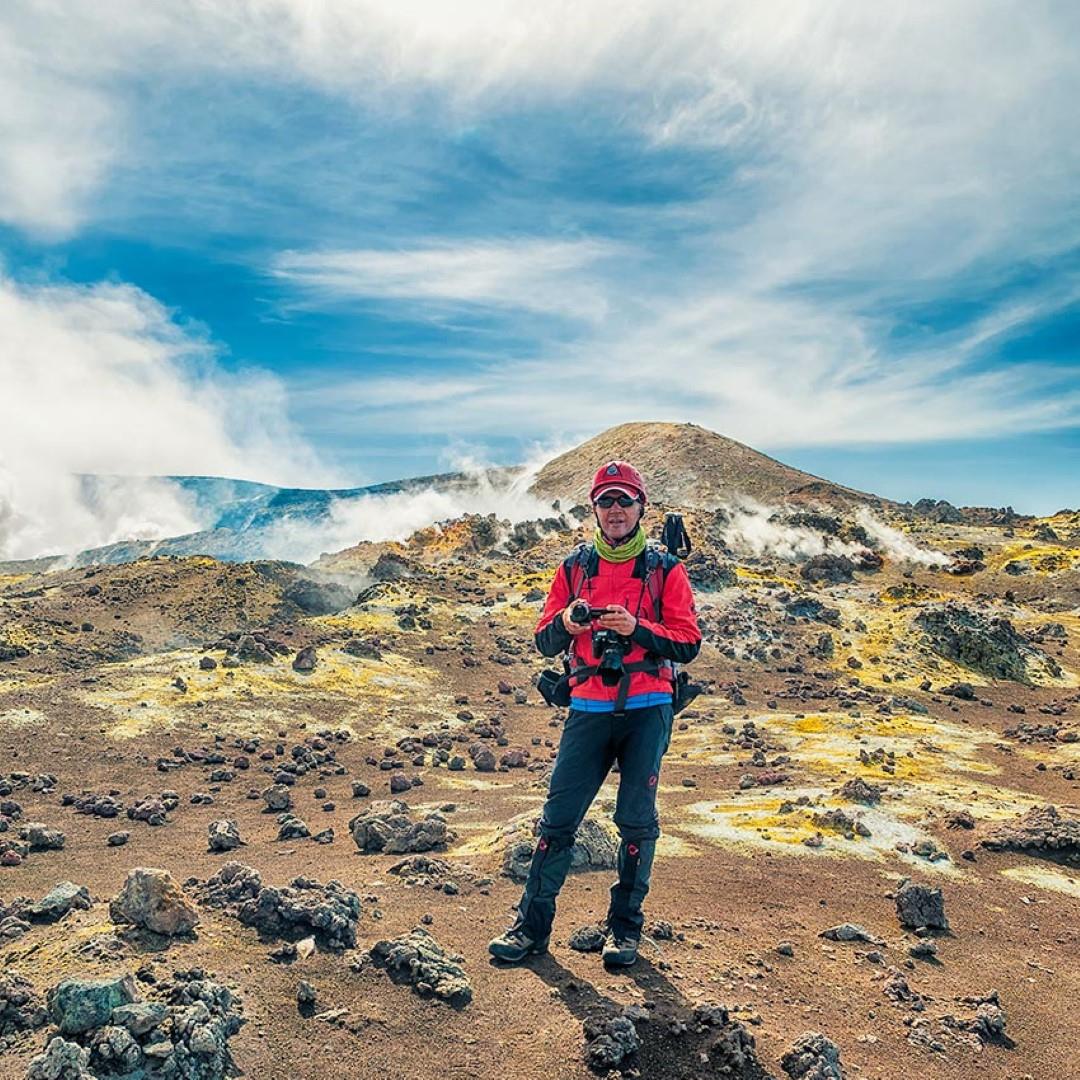
Heinz Vahlbruch is a data analyst, machine learning professional, and software engineer with over 25 years of experience in the tech industry and as a successful independent consultant. He enthusiastically helps small businesses establish a foothold in the digital world.
Heinz is a key researcher who deepens BRIEF’s findings in binary and variable stars research. He provides continual input to course development. He is BRIEF’s data scientist and webmaster.
Originally from Bavaria, Germany, Heinz combines his deep curiosity for science and technology with a lifelong passion for astronomy, geology, and photography. As an amateur astronomer and researcher, he continually expands his skills in astrophotography, speckle interferometry, photometry, spectroscopy, and radio astronomy.
Since relocating to Texas with his wife, Heinz balances his professional work with scientific pursuits. Outside of his work and studies, Heinz enjoys exploring the diverse landscapes of the U.S. and traveling to unique destinations around the world. His blend of technical expertise and passion for science make him an invaluable member of the BRIEF team.
 0009-0003-8966-6414
Instructors
Vlad Bautista
Radio Astronomy
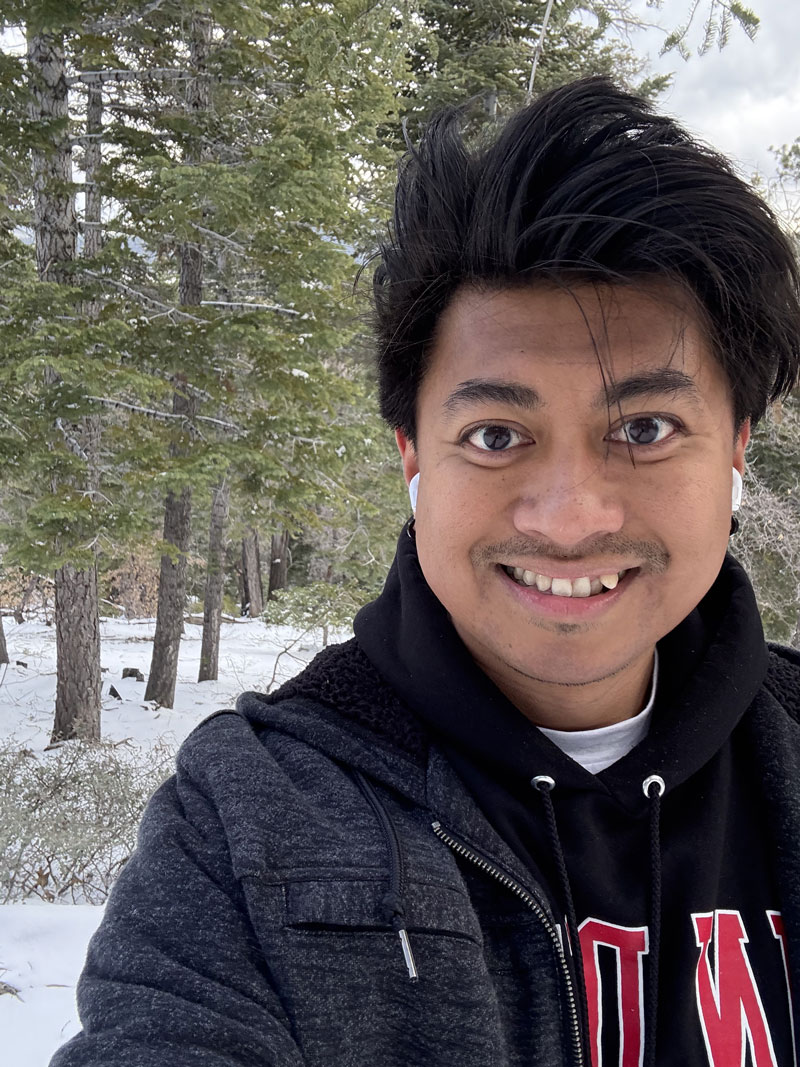
Hello! My name is Vladimir Bautista, and I am the instructor for BRIEF’s Radio Astronomy
course. I am excited to share my passion for astronomy and science education with students through this unique learning experience.
My journey with BRIEF began as an astronomy student, where I participated in several of its educational programs while earning my degree. Since then, I have completed my Master of Science in Astronomy at San Diego State University, where I also discovered my passion for teaching while serving as a physics teaching associate. Helping students develop confidence in science and experience those “aha!” moments have been one of the most rewarding parts of my career. Although my academic background is in astronomy, I have a deep appreciation for all areas of science. Today, I teach middle school science in Colorado, where I strive to help students uncover their passion for science.
As I continue to grow with BRIEF’s growing instructional program, I am excited to help expand opportunities for students to engage with astronomy in meaningful and accessible ways. I hope to support efforts that make high-quality, hands-on science education more equitable, and I look forward to helping interested students discover new pathways into astronomy.
Pat Boyce
Astrometry, Exoplanets, and Observatory Systems
Pat Boyce is an astronomy instructor, observer, and mentor with extensive experience in student research, telescope operations, and observational astronomy. He holds a B.S. in Physics from Indiana University and an MSIA from Purdue University, with additional graduate work in Systems Engineering from USC. His interests in mathematics, modeling, visualization, engineering, and astronomy began early, including his first memorable observations through a 4-inch Newtonian telescope in cold Indiana winters.
After selling his defense and software engineering company, Pat served on the boards of several nonprofit organizations before deciding to teach astronomy to high school students. That experience convinced him that students should learn science by doing real science, not just through classroom and textbook study, which led him to found BRIEF in 2013.
Pat has trained hundreds of students in the use of remote observatories for double-star and exoplanet research and has mentored more than one hundred student teams through publication of their scientific papers. He has observed hundreds of exoplanets and binary stars using photometric, astrometric, and speckle-interferometry techniques, and has trained students for NASA/JPL Exoplanet Watch, NASA TESS, and AAVSO observing programs. He designed and directed construction of the BARO observatory and developed BRIEF courseware in astrometry and exoplanet research.
He is a member of the TESS SubGroup 1,TSTPC Working Group, and the AAVSO Exoplanet SIG. He serves on the Organizing Committee for the Las Cumbres Observatory (LCO) Global Sky Partners. Pat is a past board member of AAVSO and the San Diego Astronomy Association, and was a founding partner of RTSRE, hosting its first conference in San Diego in 2017.
Richard Jaworski, M.D.
Double and Binary Stars
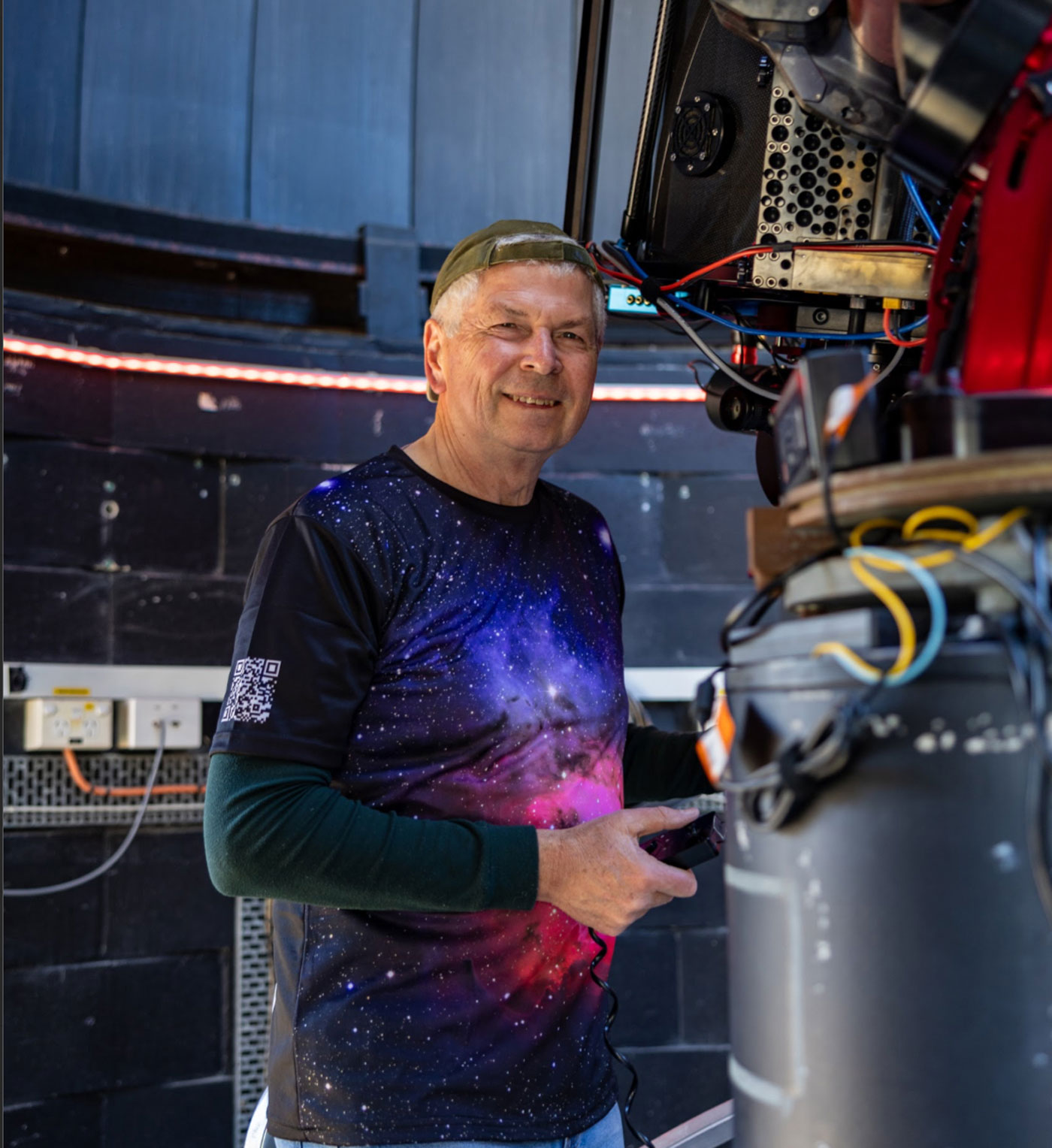
Richard Jaworski is a retired Medical Practitioner who specialized in Pathology. He is a lifelong amateur astronomer. He has published articles in Sky & Telescope on double stars and in 2007 received the McNiven medal from The Astronomical Society of NSW for his research on double stars and for his contributions to amateur astronomy.
In his retirement he works part-time at Macquarie University Observatory and is involved with their outreach program which includes Public Observing Sessions, Private Observing Sessions for schools and various community groups as well as Planetarium sessions. Since 2023 he has been involved, as a student, with the BRIEF double star seminars and has completed seminars in Speckle Binaries, Python and Spectroscopy.
He has now become an assistant instructor and mentor for double stars. To date he has published over 30 papers on double stars.
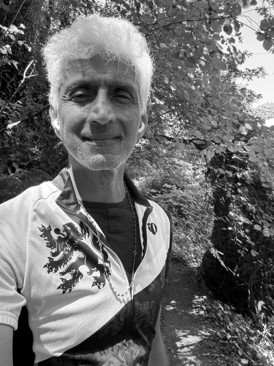
Chandru Narayan
Python, Spectroscopy
I am originally from Madras (now Chennai), India. I came to the US on a solar energy engineering scholarship established during President Carter’s administration in the 1980s and completed my Masters degree from Clemson, SC.
I then joined General Motors Tech Labs Corp. in Detroit working on scientific real-time event based programming for 10 years. I then moved to Seattle to work for Boeing & Siemens and held several technical and leadership positions for 20- years. I decided to retire in 2018 and go to high school to teach advanced Mathematics and Astronomy to High School students. This was my way to give back to my community.
I joined Boyce Astro as a seminar teacher with a special focus on teaching young middle-high school students computing and scientific research skills under the umbrella of Astronomy. I established the Intro to Python course a.k.a Python for Astronomy seminar course 3 years ago. Two of my students have been awarded $40k scholarships for competing and winning the Washington State Science & Engineering Fair (WSEEF). I have added Intro to Spectroscopy seminar where we take live spectral images through a grating via the BARO telescope. Last year, we calculated the expansion of space and calculated the value of the Hubble Constant to within 5% accuracy by measuring the Redshift of the Quasar 3C573. The quasar is receding (space is expanding) at an astonishing 15% of the speed of light.
I do hope that you will join one of my seminars in the upcoming offerings.
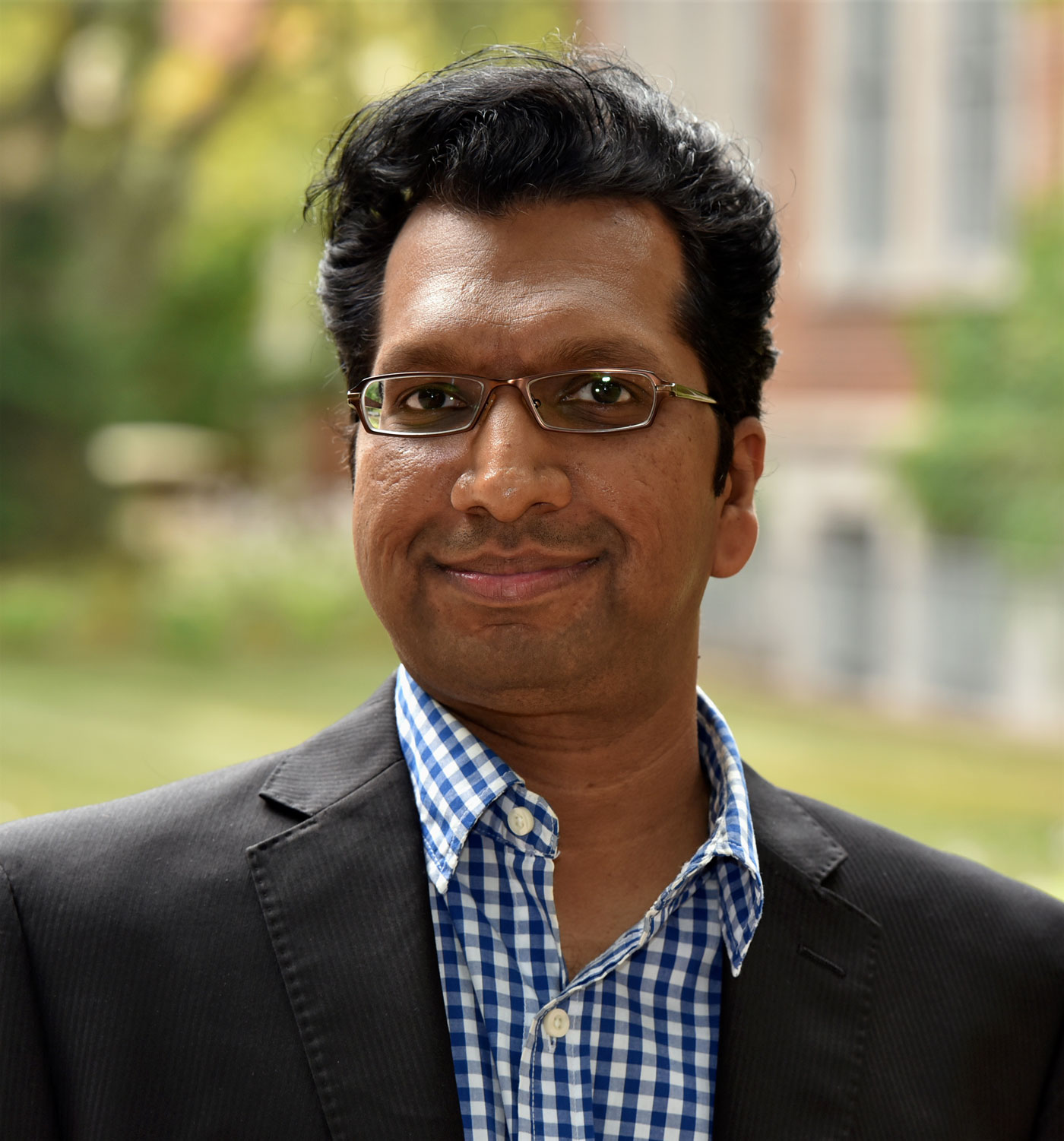
Dr. Dinesh Shetty
Stellar systems
Dr. Dinesh Shetty is a professor in the Department of Physical Sciences at Ferris State University in Big Rapids, Michigan, where he teaches physics and astronomy. His teaching includes courses in physics, physics laboratories, and astronomy, with a particular interest in using hands-on, technology-enhanced experiences to engage students in the physical sciences.
Dr. Shetty directs astronomy activities at Ferris State University’s Rawlinson Observatory, where he is developing an astronomy program that integrates observational astronomy, astrophotography, student research, and community outreach. His work includes expanding the observatory’s telescope capabilities, developing astronomy laboratory experiences, and organizing public stargazing and astronomy outreach events. He also advises the university’s Astronomy Club.
His research interests include double-star astrometry, visual binary stars, speckle interferometry, and the use of Gaia astrometric data to investigate stellar systems. He has conducted observations using Las Cumbres Observatory and analyzed astronomical images with tools such as AstroImageJ, SharpCap, Siril, and Python. His research has contributed to studies of binary-star orbital motion and the reliability of astrometric measurements for unresolved or closely separated binary systems.
Dr. Shetty is particularly interested in involving undergraduate students in authentic astronomical research and using astronomy as a gateway to STEM education. His broader goal is to connect classroom learning, research, observational astronomy, and community engagement to create meaningful opportunities for students to explore the universe.
Volunteer Mentors
Alexander Beltzer-Sweeney
Mount Wllson Docent
Tom Field
Spectroscopy
Mark Harris
Speckle Interferometry
Dr. Stephen Rajkumar Inbanathan
The America College, India
Larry Serra
Radio Astronomy
Tom Smith
Photometry; Double stars, Observatory systems
Geoff Stone
Photometry, Observatory systems
Art Trail
Exoplanets and Speckle Interferometry
Julio Vannini
Exoplanets
Krzysztof Zielinski
Exoplanets - TESS