What is Time: JD
Julian Dates (JD) are a continuous count of days, and fractions of days, since noon Universal Time on January 1, 4713 BC (on the Julian calendar)

Related:
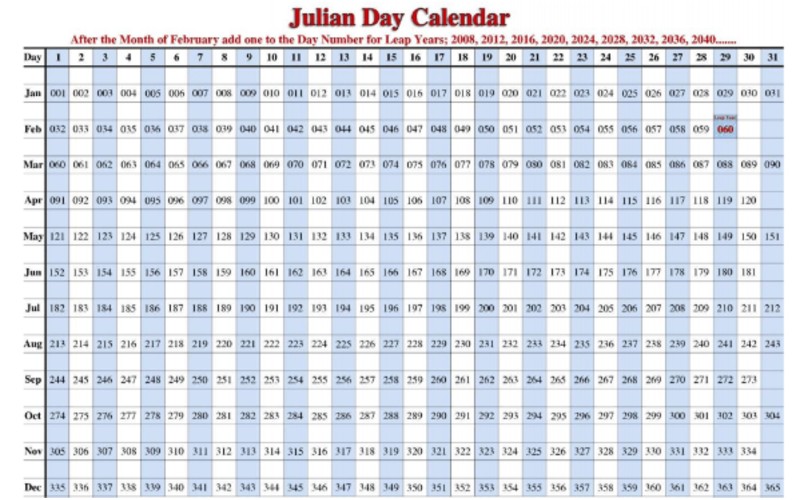
Julian Dates (JD) are a continuous count of days, and fractions of days, since noon Universal Time on January 1, 4713 BC (on the Julian calendar)
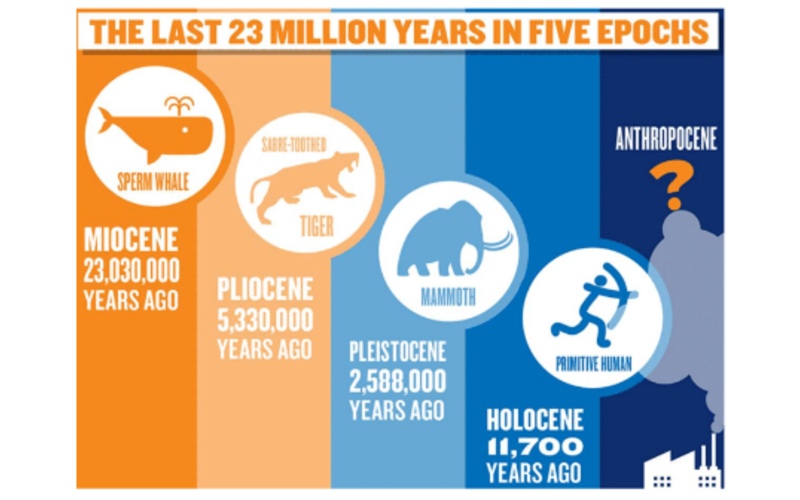
An epoch is a particular time period, point in history, or a moment defined by a particular event, and is a moment of time used as a reference point for a time-varying astronomical quantity.
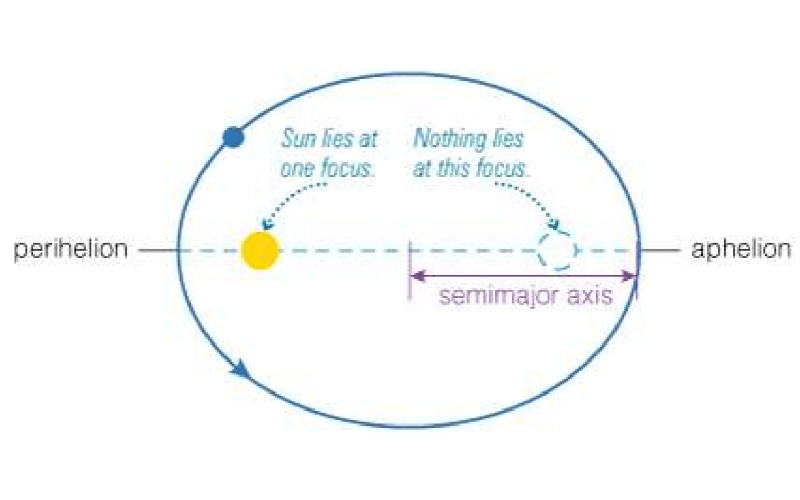
Kepler's laws of planetary motion are: the orbits of the planets are ellipses with the sun at one focus, a line from a planet to the sun sweeps over equal areas in equal intervals of time, and a planet’s orbital period (P) squared is proportional to its average distance from the sun (a) cubed
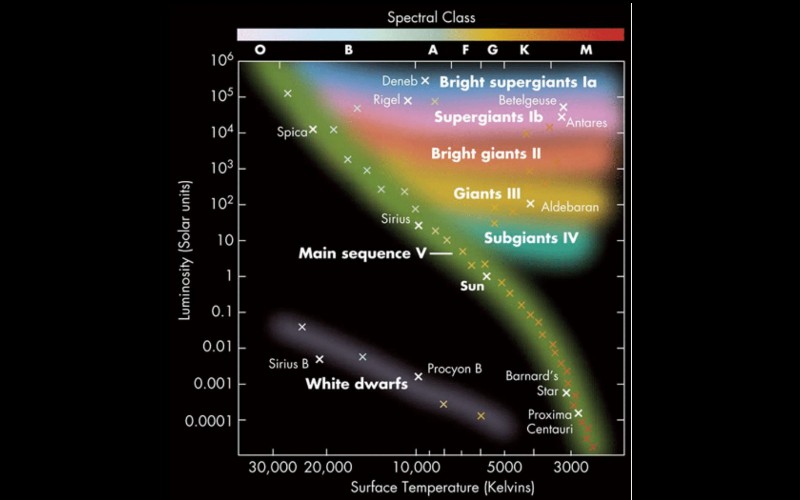
The HR Diagram is a stellar plot of Luminosity vs. Temperature, and can help to understand where in its "life cycle" a star is
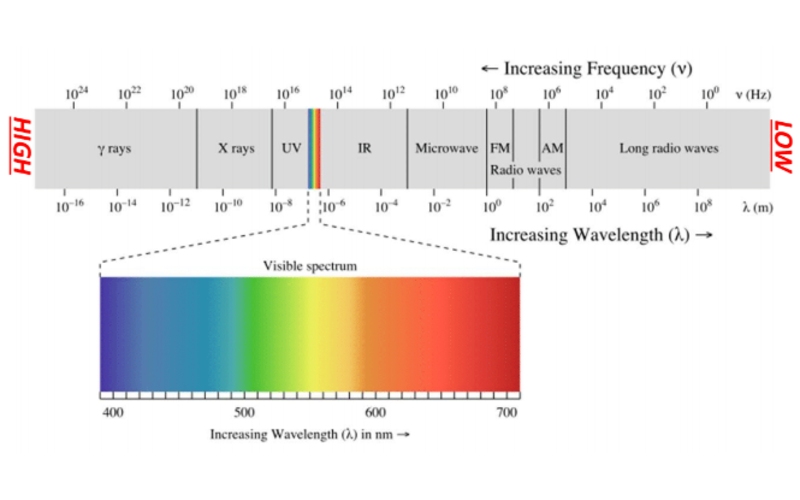
The electromagnetic spectrum describes light, and all objects above 0 Kelvin emit light.
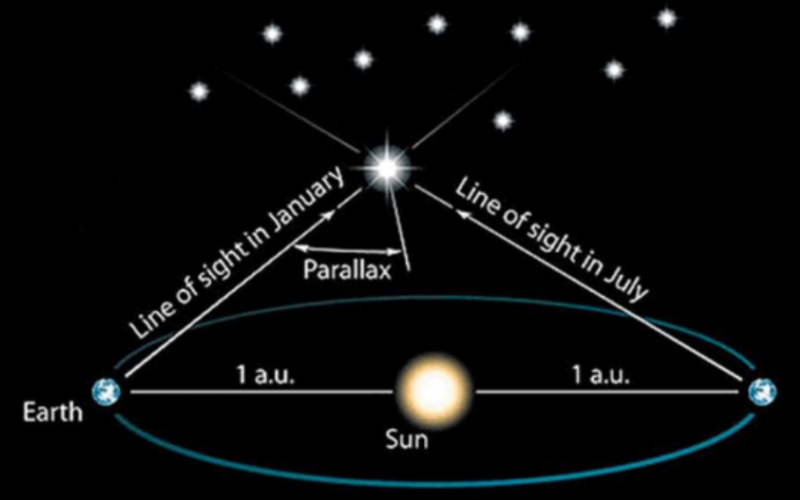
Astrometry is the area that deals with the positions and motions of celestial objects. It has two main scientific objectives to provide: A stellar reference frame to which the motions of celestial objects (Solar System and beyond) may be referred Basic...
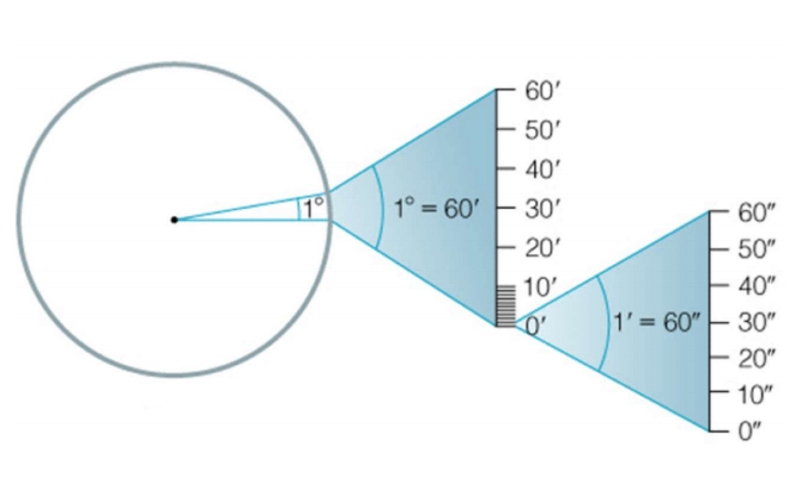
When describing night-sky objects, spherical (not linear) measurements are used. These measurements are typically in degrees, arcminutes, and arcseconds.
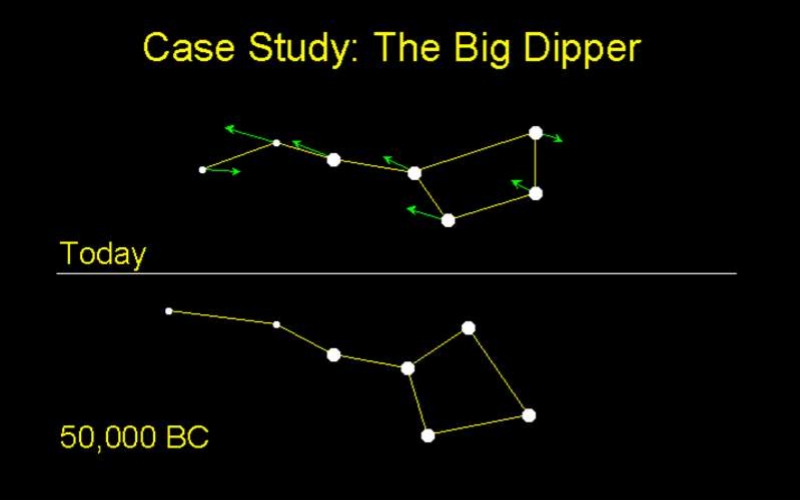
Proper motion is the change in (x, y) tangential motion of a star, and described in two coordinates: Right Ascension and Declination

Star color is based on its temperature (hotter stars are blue, while cooler stars are red), and the color/temperature of a star can be classified into stellar classes