What is Time: JD
Julian Dates (JD) are a continuous count of days, and fractions of days, since noon Universal Time on January 1, 4713 BC (on the Julian calendar)

Related:
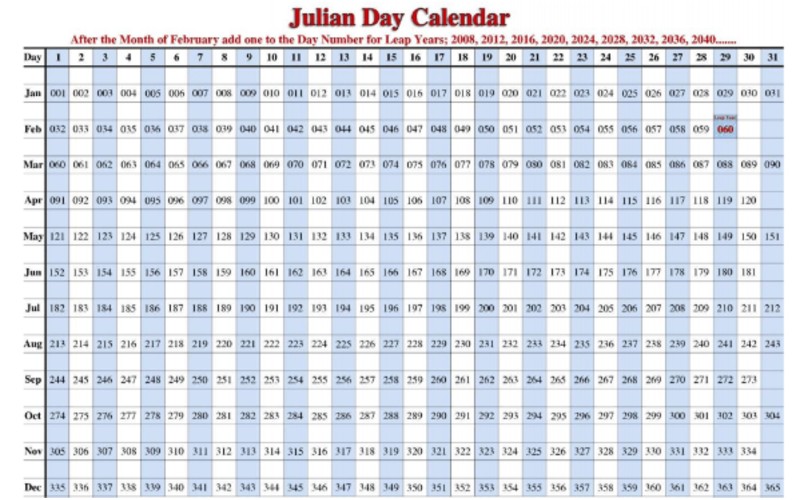
Julian Dates (JD) are a continuous count of days, and fractions of days, since noon Universal Time on January 1, 4713 BC (on the Julian calendar)
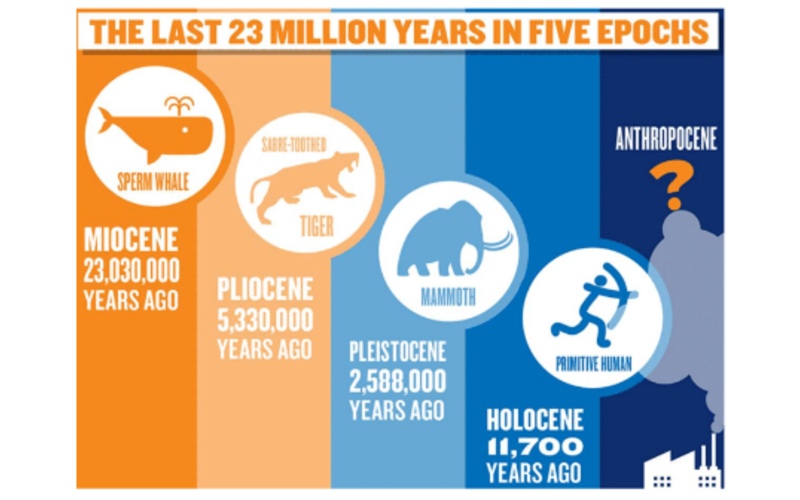
An epoch is a particular time period, point in history, or a moment defined by a particular event, and is a moment of time used as a reference point for a time-varying astronomical quantity.
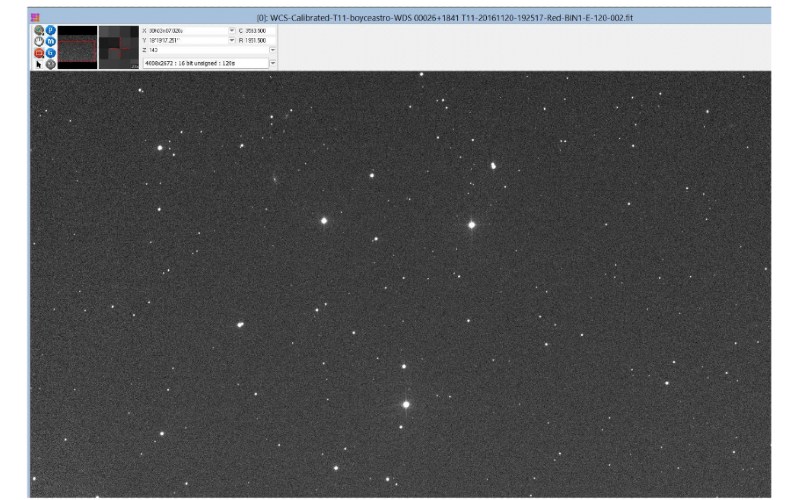
This tutorial covers how to identify your target stars and the cardinal points, so you can place North and East in your images using MiraPro.
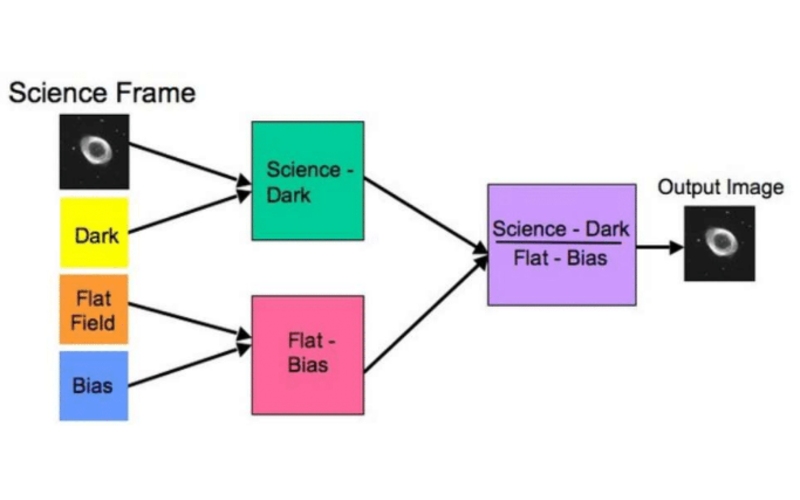
Image processing goes through pre-processing (calibrating images using darks, biases, and flat-fields) and post-processing (When images are digitally reduced: WCS Coordinates, removal of Cosmic Rays, Transformed, etc)
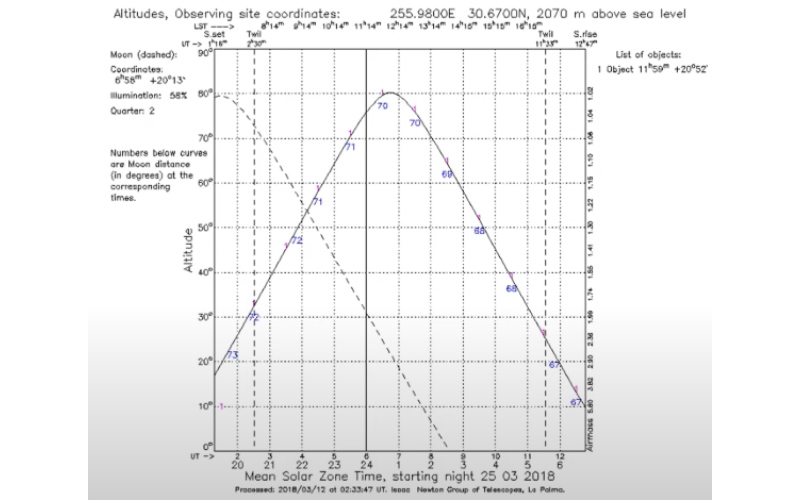
When imaging your star, make sure your declination can be imaged by your observatory.
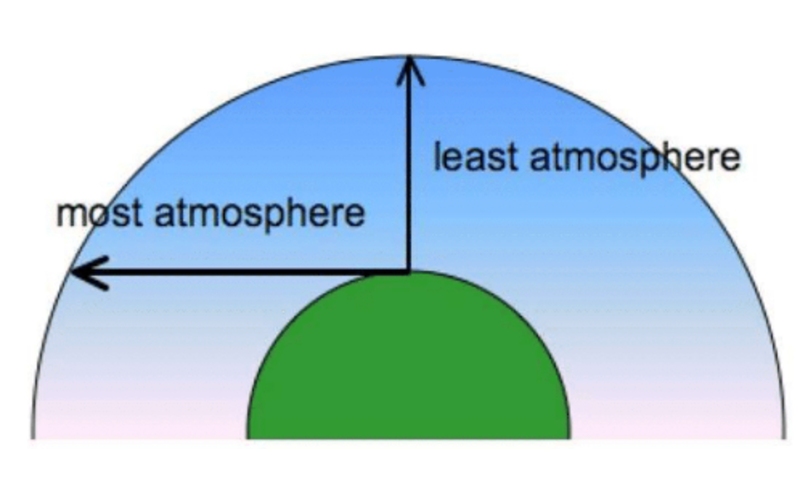
Airmass is the path length for light from an astronomical object to pass through the Earth’s Atmosphere, and a greater airmass means dimmer targets
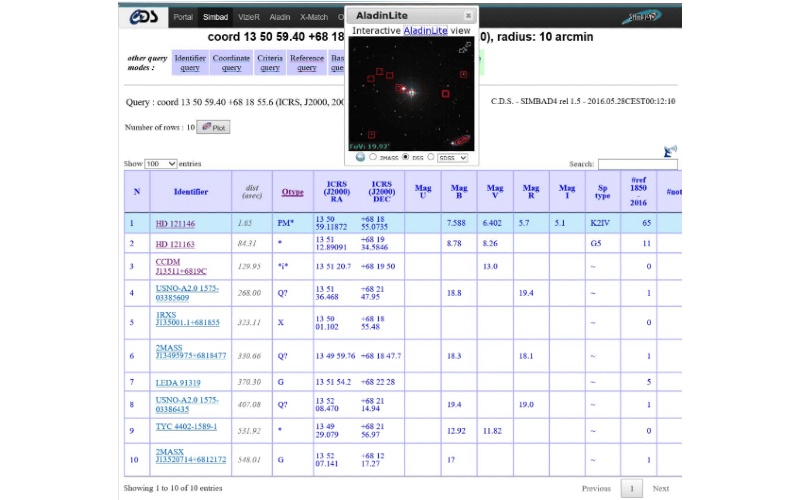
SIMBAD can be accessed via CDS and Stelle Doppie. Using SIMBAD, stellar data and summaries and publication information can be accessed.
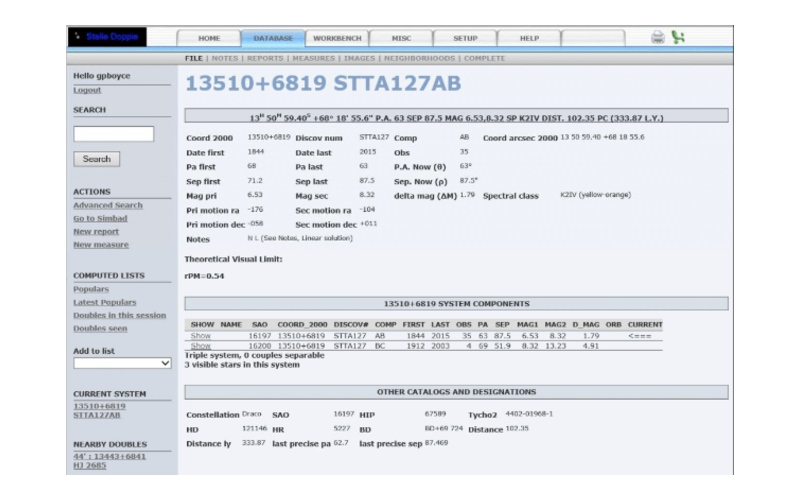
This video goes over the online catalogs CDS Strausbourg, Stelle Doppie, SiMBAD, and VizieR
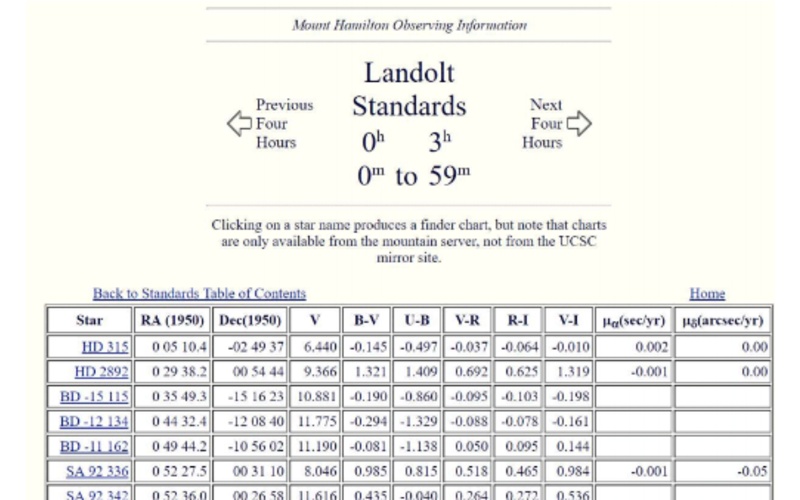
The Landolt catalog has become the de facto standard for transforming to the UBVR CIC system, and place photometric observations on a common platform.
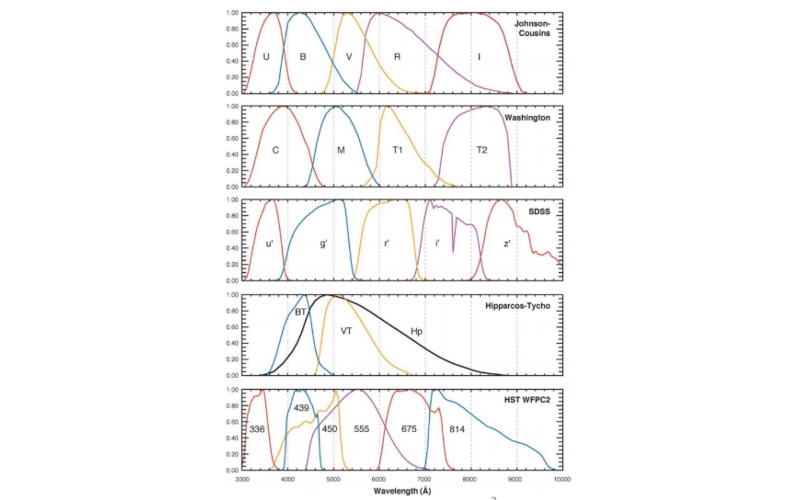
Photometric-standard stars are stars that have had their light output in various passbands of photometric system measured very carefully. They provide a means to not only calibrate your photometric system, but give a common “yardstick” from which all measurements can be compared.