What is Time: HJD
Heliocentric Julian Date (HJD) is the Julian Date corrected for the differences in the Earth’s position relative to the center of the Sun.

Related:
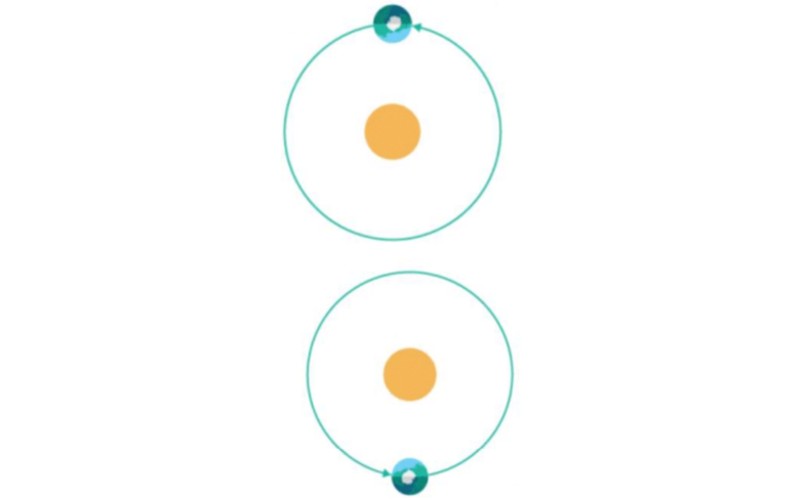
Heliocentric Julian Date (HJD) is the Julian Date corrected for the differences in the Earth’s position relative to the center of the Sun.
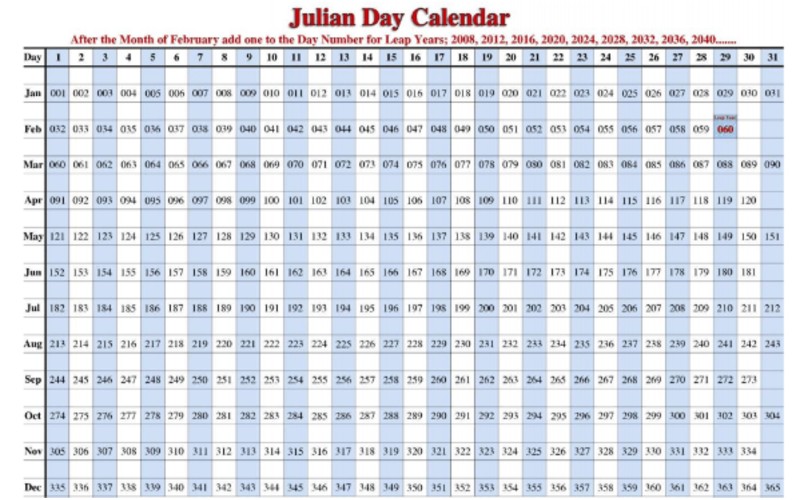
Julian Dates (JD) are a continuous count of days, and fractions of days, since noon Universal Time on January 1, 4713 BC (on the Julian calendar)
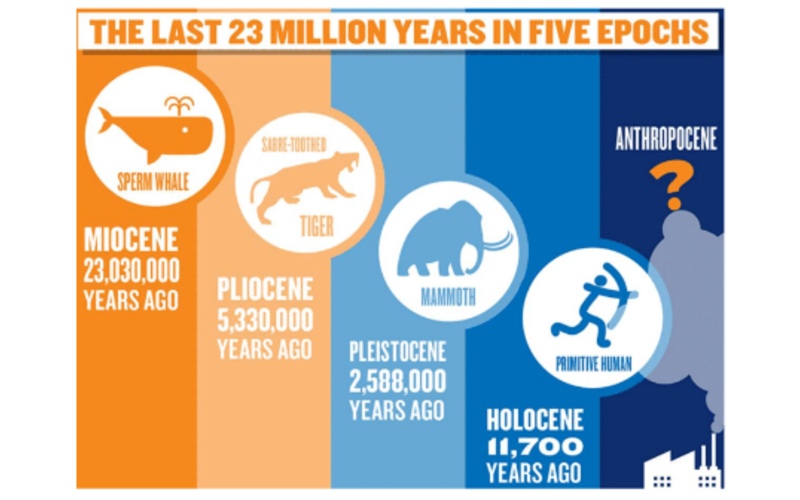
An epoch is a particular time period, point in history, or a moment defined by a particular event, and is a moment of time used as a reference point for a time-varying astronomical quantity.
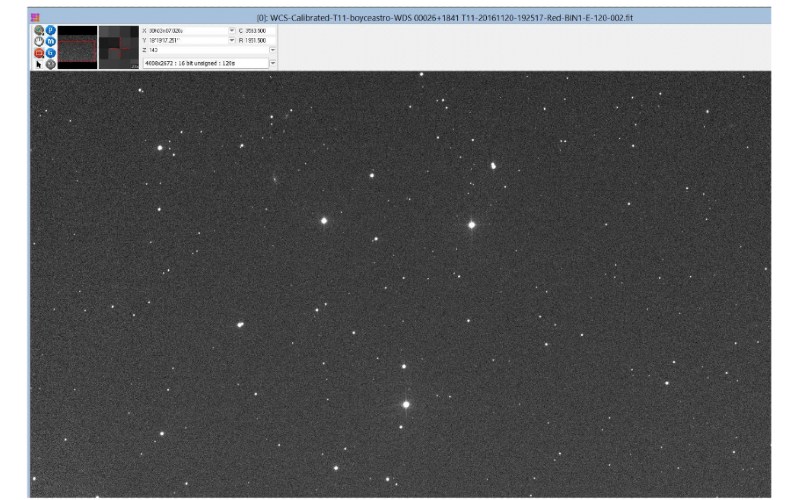
This tutorial covers how to identify your target stars and the cardinal points, so you can place North and East in your images using MiraPro.
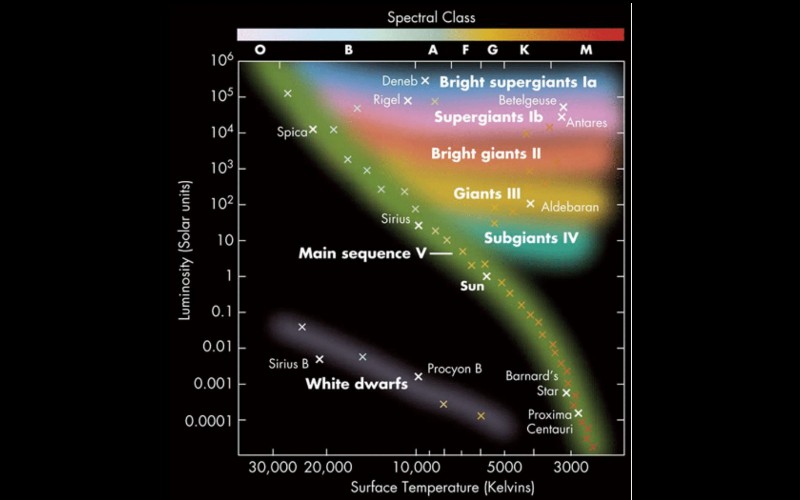
The HR Diagram is a stellar plot of Luminosity vs. Temperature, and can help to understand where in its "life cycle" a star is
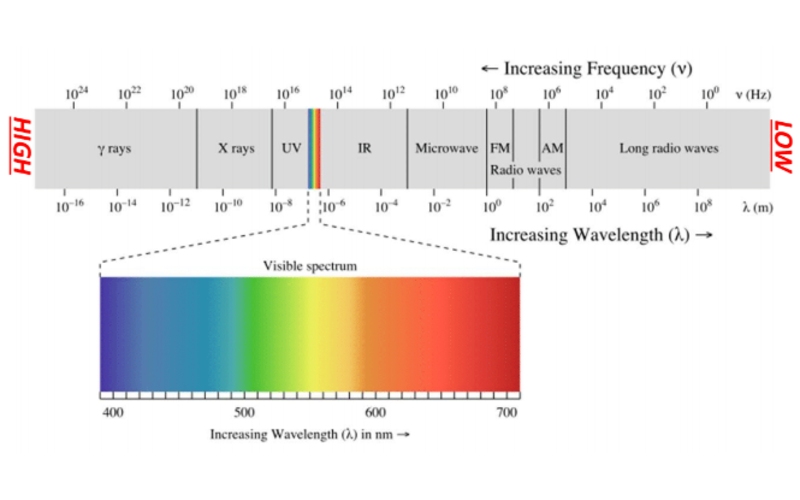
The electromagnetic spectrum describes light, and all objects above 0 Kelvin emit light.
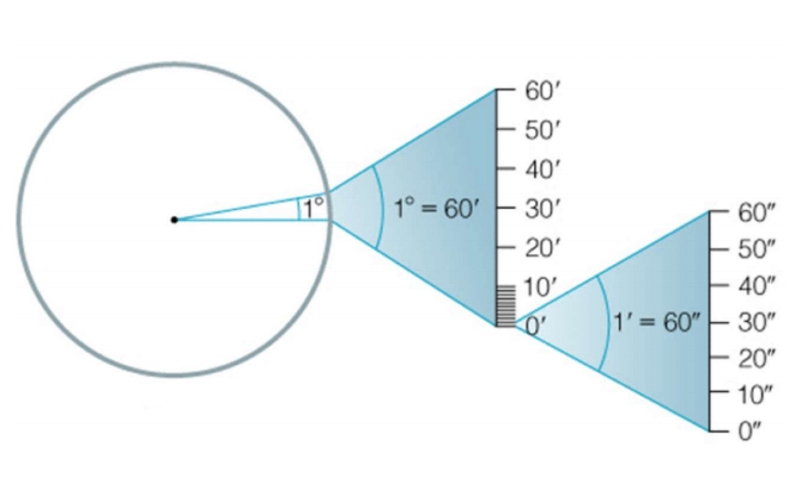
When describing night-sky objects, spherical (not linear) measurements are used. These measurements are typically in degrees, arcminutes, and arcseconds.
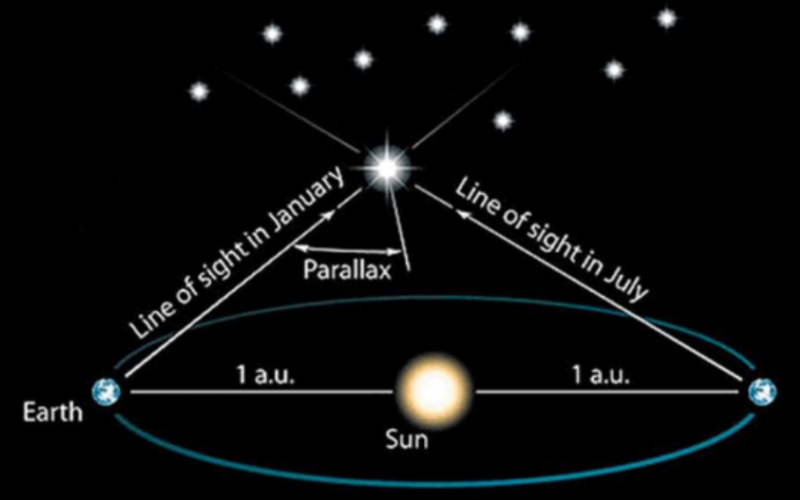

Star color is based on its temperature (hotter stars are blue, while cooler stars are red), and the color/temperature of a star can be classified into stellar classes
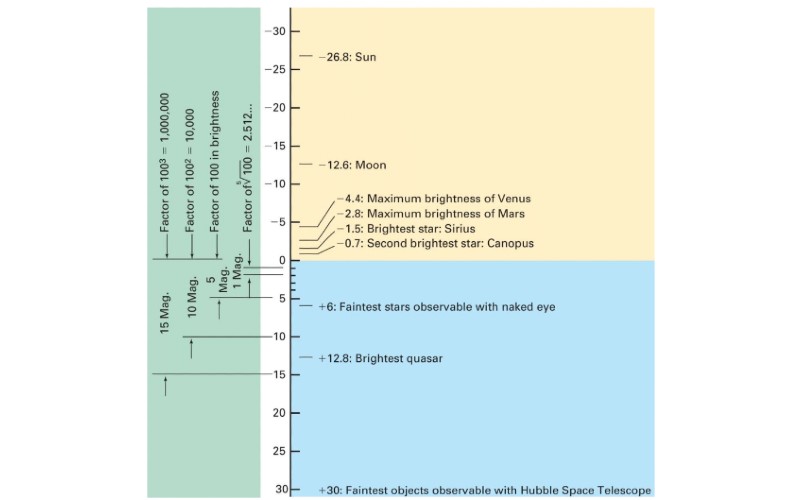
Magnitude is the brightness of a star, and the measures of magnitude are absolute (brightness as appears to observer) and apparent (measure of how much light is being put out by an object)