EM Radiation Overview
The electromagnetic spectrum describes light, and all objects above 0 Kelvin emit light.

Related:
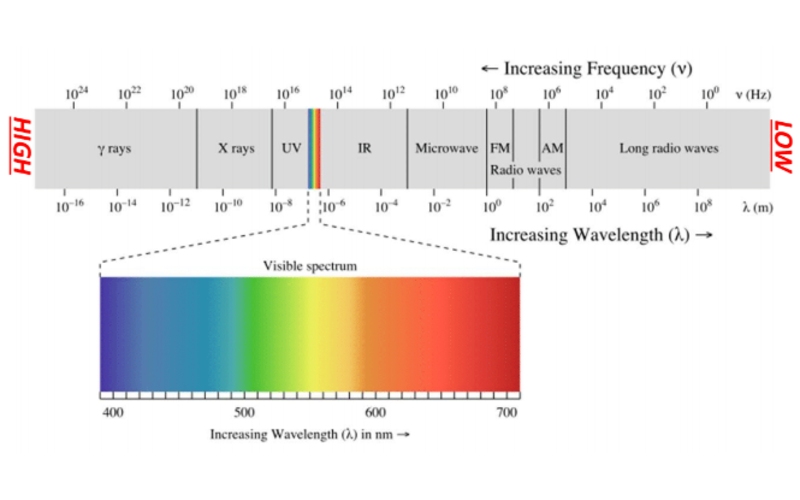
The electromagnetic spectrum describes light, and all objects above 0 Kelvin emit light.
Telescopes gather light from objects, and there are two main types: refractor (uses a lens to bend light) and reflector (uses a mirror to reflect light). Aperture and field of view are two main parameters of telescopes.
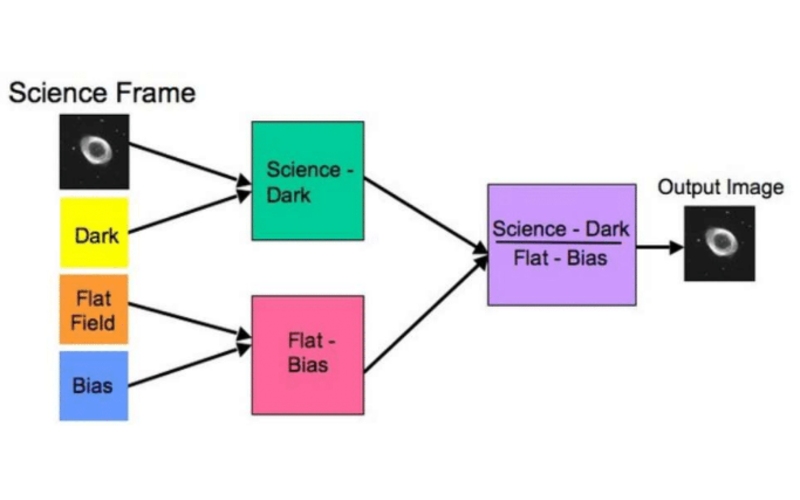
Image processing goes through pre-processing (calibrating images using darks, biases, and flat-fields) and post-processing (When images are digitally reduced: WCS Coordinates, removal of Cosmic Rays, Transformed, etc)
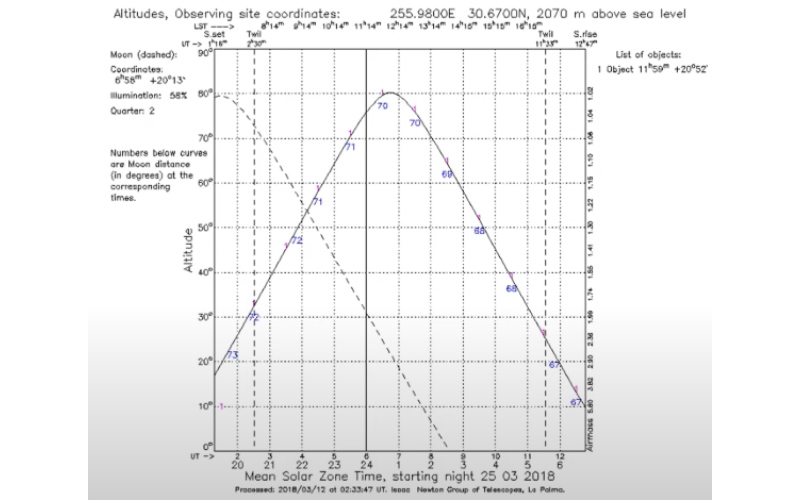
When imaging your star, make sure your declination can be imaged by your observatory.
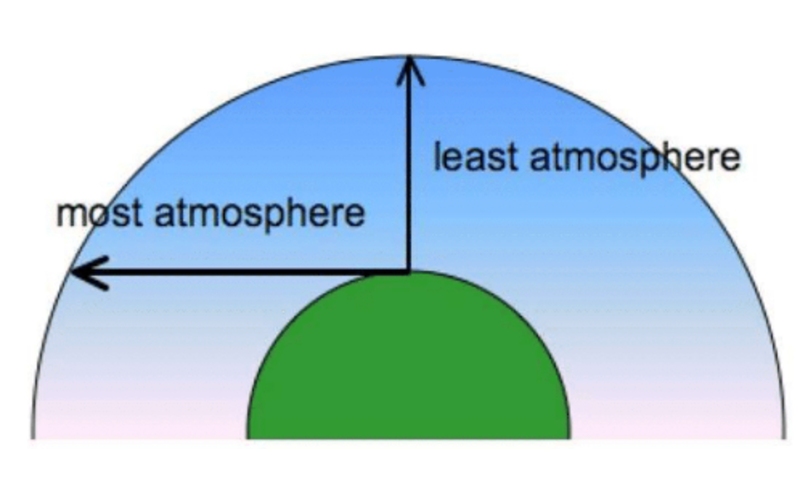
Airmass is the path length for light from an astronomical object to pass through the Earth’s Atmosphere, and a greater airmass means dimmer targets
Make sure your target location and visibility are good, accounting for movement; and make sure your comp star is in range.
The World Coordinate System (WCS) is the RA and Dec embedded in a FITS image. Multiple tools, such as astrometry.net and MaximDL can insert WCS coordinates into the image
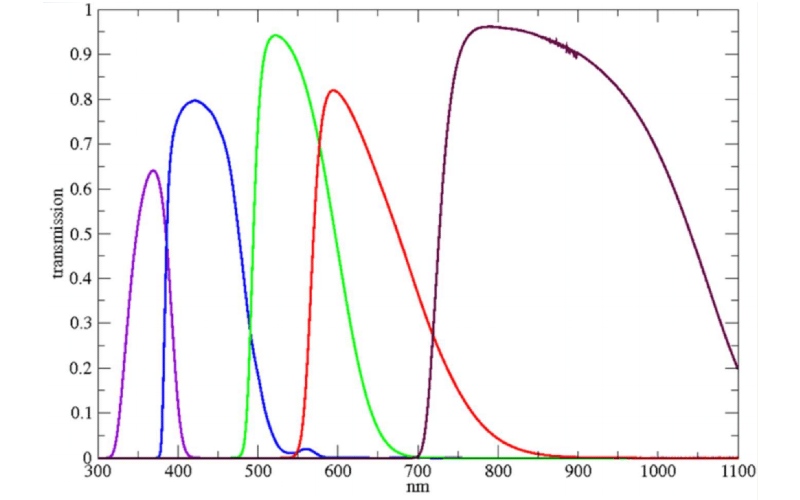
The UBVRI system covers all of the visual spectrum and some on the shorter and longer sides, and is the most commonly used system with a large network of standard stars.
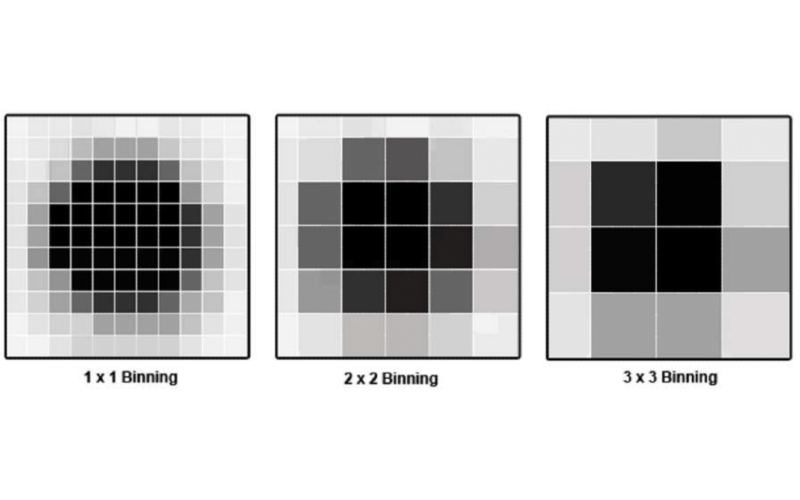
Binning is a method of combining pixels on a CCD chip into one “super” pixel. This provides some advantages and disadvantages.
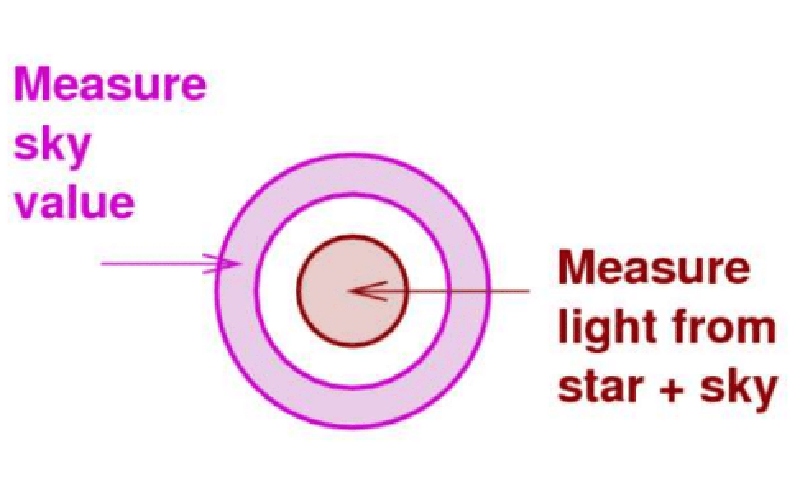
The signal-to-noise ratio (SNR) characterizes the quality of a measurement and determines the ultimate performance of the system. The three primary sources of noise in a CCD imaging system are photon noise, dark noise, and read noise, all of which must be considered in the SNR calculation.